 Olivia Brown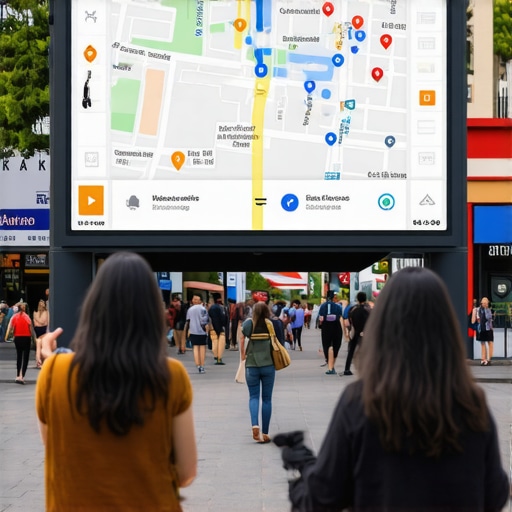
I remember vividly the moment I realized my business was invisible on the map—literally. I had invested so much in my services, yet my Google My Business listing sat dormant, unseen by potential customers scrolling through Anaheim’s crowded local searches. That lightbulb moment hit hard. I knew then that without proper visibility on Google Maps and local SEO, my business was just another needle in the haystack.
Today, I want to share what I’ve learned from personal experience—because if you’re like I once was, you’re probably frustrated with your current lack of local online visibility. The good news? With targeted GMB and maps optimization strategies, you can rise above the competition and dominate Anaheim’s local search listings. I’ll guide you through proven tips, so you won’t waste any more time guessing what might help.
Why Local Visibility Matters More Than Ever in OC 2025
In the bustling landscape of Orange County, standing out locally isn’t just an advantage; it’s a necessity. According to recent research, around 76% of people who conduct a local search visit a store within a day, and nearly half of those searches lead to a physical purchase. That’s huge! (Source: Search Engine Journal)
If you’ve faced this problem—your business ranking low on maps, missing out on local clicks, or feeling invisible—it’s time to change the game plan. The truth is, many small business owners jump into Google Maps without understanding how to optimize effectively, leading to wasted efforts and missed opportunities. Early on, I made the mistake of overlooking consistent updates and neglecting customer reviews, which cost me traffic and sales.
Thankfully, I discovered that with the right approach, you can boost your local rankings significantly. But where do you start? That’s precisely what I’ll cover next. Let’s dive into practical, actionable tips to help your Anaheim business shine on Google Maps, enhance your local SEO, and attract more OC customers than ever before.
Claim and Optimize Your Google My Business Listing Immediately
The first step I took was claiming my Google My Business (GMB) profile and filling out every detail meticulously. Think of your GMB as a digital storefront window; if it’s blank or incomplete, passersby won’t stop. I logged into my GMB, verified my business, and entered accurate info—name, address, phone number (NAP), business hours, and categories. This forms the foundation for Anaheim local SEO success.
Choose Your Business Categories Strategically
Next, I carefully selected the most specific and relevant categories. Instead of generic labels, I opted for niche-specific ones that clearly described my services. For instance, instead of simply ‘plumber,’ I used ’emergency plumbing service in Anaheim.’ This narrows the competition, similar to focusing a spotlight on your key skills, making it easier to rise in local maps rankings.
Use Precise Local Keywords in Your Description
In my business description, I incorporated geo-specific keywords naturally. Phrases like ‘best HVAC repair in Anaheim’ or ‘family-owned bakery in Orange County’ helped Google associate my listing with local search queries. This is akin to planting flags in the digital terrain for targeted audiences, ensuring your business gets found.
Encourage and Manage Customer Reviews
I learned that reviews are the currency of local SEO. I actively asked satisfied customers to leave honest reviews. If I received negative feedback, I responded promptly and professionally—it boosted my credibility. Reviews not only influence rankings but also build trust with potential clients, making them more likely to click on your listing.
Regularly Update Your Business Info and Photos
GMB isn’t a set-it-and-forget-it tool. I scheduled quarterly updates to ensure my info was current. Adding fresh photos—of my team, products, or work in progress—humanized my business. Visually appealing content draws attention, much like vibrant signage at a physical location. For advanced tactics, check out effective GMB strategies.
Optimize Your Business Attributes and Service Areas
I meticulously filled out all available attributes—highlights like ‘wheelchair accessible’ or ‘free Wi-Fi’—to match customer needs. Defining precise service areas, especially around Anaheim neighborhoods, helps Google show your business for relevant local searches. This step is often overlooked but can significantly boost local relevance.

During my optimization efforts, I created a detailed map of Anaheim neighborhoods to define specific service zones, ensuring Google understands where I serve. This strategic focus helps in ranking higher in local maps for targeted areas.
Build Local Citations to Reinforce NAP Consistency
Consistency across local directories and citation sites was crucial. I submitted my business info to platforms like Yelp, Bing Places, and local business directories. This creates a cohesive online footprint, signaling to Google that my business is legitimate and well-established—akin to securing multiple signposts pointing to your storefront.
Leverage Local Links and Partnerships
Link-building within the Anaheim community, such as partnering with local chambers or suppliers, amplified my online authority. Sharing content and earning backlinks from trusted local sources acts like digital word-of-mouth, elevating your maps and local SEO rankings. For specific link strategies, see local SEO backlinks.
Many business owners believe that simply claiming their Google My Business listing and adding basic info suffices for local map rankings. However, in my experience, this oversimplification leads to missed opportunities and persistent underperformance in Anaheim’s competitive landscape. One common myth is that consistent business hours alone will secure top map positions. In reality, nuanced factors like behavioral signals and engagement metrics matter more than many realize.
There’s often a misconception that keyword stuffing in descriptions boosts rankings significantly. Actually, Google’s algorithms have evolved to prioritize natural language and user experience over keyword density. Over-optimizing can even hurt your visibility, as search engines penalize manipulative tactics. Instead, focus on crafting authentic, helpful descriptions that incorporate local keywords seamlessly. For advanced strategies, consider leveraging content optimization tips that align with Google’s latest updates.
What are the subtle signals that impact local rankings beyond reviews and NAP consistency?
Studies show that user engagement signals—such as click-through rates, dwell time, and direct interactions with your GMB profile—can influence local search rankings more than static optimizations. Google interprets active user behavior as a sign of relevance and quality. For instance, if your profile receives numerous clicks and calls from nearby searches, it signals to Google that your listing is valuable, thereby boosting your position. Ignoring these dynamic factors is a mistake that many overlook. To capitalize on this, actively encourage reviews, post regular updates, and analyze your profile’s engagement metrics—tools that can be integrated into your overall Anaheim SEO strategy. For comprehensive insights, check out effective GMB strategies designed specifically for Anaheim businesses.
Another often-neglected nuance is the impact of local backlinks and citations. While many focus solely on optimizing their GMB, building authoritative signals from locally trusted sources can dramatically improve map visibility. Think of it as gaining digital referrals—signaling to Google that your business holds local trust and relevance. Be strategic: partner with Anaheim chambers, local bloggers, and community websites. This holistic approach creates a robust SEO ecosystem that elevates your presence far beyond basic listing optimizations. Want to learn how to strengthen your local link profile? See local SEO link-building tactics.
Maintaining a high-performance local SEO strategy requires not only understanding the core principles but also leveraging the right tools to ensure ongoing success. Personally, I rely on a combination of advanced software and methodical workflows to keep my Anaheim maps optimization efforts sharp and effective. One tool I swear by is BrightLocal, which provides comprehensive reporting on citations, reviews, and local rankings. Its tracking features help me identify fluctuations in rankings, so I can act swiftly to address any issues before they impact visibility.
Another indispensable asset is Google Tag Manager, which I use to implement and manage tracking pixels and event tags across my website. This allows me to monitor user interactions with map listings, such as clicks and calls, providing valuable insights into how my local SEO efforts convert into tangible business results. Regularly analyzing this data guides my decision-making, ensuring I tailor my strategies based on real engagement metrics.
In addition, I incorporate Google My Business Insights into my routine, reviewing profile engagement data monthly. This helps me identify trending keywords and customer behavior patterns around Anaheim. Combining these insights with tools like effective maps optimization strategies, I make data-driven adjustments that keep my local listings performing at their best.
Consistency and follow-through are key. I set up automated alerts for review responses and citation audits using platforms like SEMrush Local. These reminders ensure I never overlook vital maintenance tasks, maintaining my rankings over the long term. And as search engine algorithms continue to evolve, I stay ahead by subscribing to industry newsletters such as Moz Blog, which shares expert insights on the future of local SEO and GMB updates.
Looking ahead, I predict that AI-driven analytics will play an increasingly significant role in local maps optimization. Tools that harness machine learning will provide deeper insights into customer intent and behavior, allowing businesses to fine-tune their local signals with unprecedented precision. To stay competitive, I recommend experimenting with advanced tools like Moz Local and continually refining your processes based on real data.
How do I keep my maps optimization efforts sustainable over time?
The secret lies in building a repeatable, scalable workflow. Regular audits, automated monitoring, and staying informed about algorithm updates are non-negotiable. I dedicate a specific day each month to review my citation health, analyze review trends, and update my GMB profile with fresh content and photos. Embracing reporting tools like BrightLocal and SEMrush not only saves time but also ensures my strategies adapt to evolving search landscapes. Remember, long-term success is not about quick wins but about consistent, data-informed maintenance. For more actionable tips, see growth hacks for local search. Try integrating these tools into your routine today—your rankings will thank you.
The Unexpected Lessons That Transformed My Local SEO Game
One of the most profound realizations I had was that Google Maps ranking isn’t just about technical tweaks; it’s about understanding the local community and embracing authenticity. I once thought that countless reviews alone would propel my business, but I learned that genuine engagement and consistent updates created a ripple effect that significantly boosted my visibility. That lightbulb moment reminded me to prioritize creating real value over mere optimization tricks.
Another eye-opener was the importance of strategic partnerships within Anaheim. Building relationships with local chambers and community influencers not only earned me quality backlinks but also fostered trust that Google recognizes and rewards. It’s like planting seeds in a garden—nurture them regularly, and the results will flourish. This approach is often overlooked but can be your secret weapon in dominating local search results.
Lastly, I discovered that tracking engagement metrics isn’t just optional—it’s essential. Monitoring how customers find and interact with my GMB listing provided insights that guided my ongoing strategies. Tools like BrightLocal and Google Insights became my compass, ensuring I stayed aligned with evolving search trends. The lesson here? Data-driven adjustments outperform guesswork every time, especially in the competitive Anaheim market.
My Go-To Arsenal for Anaheim Local SEO Triumphs
Over the years, I’ve relied on a few tools that consistently help me stay ahead. Effective strategies are only powerful when supported by reliable technology. I trust BrightLocal for citation management and review tracking because it consolidates everything into a simple dashboard, saving me time and effort. Additionally, I swear by Google Tag Manager for tracking user interactions—understanding what drives clicks and inquiries helps me fine-tune my efforts daily.
For comprehensive keyword research tailored to Anaheim’s unique neighborhoods, SEMrush’s local SEO tools have been invaluable. They reveal how potential clients search for my services and whether my efforts translate into real visibility. Lastly, subscribing to industry newsletters like Moz keeps me updated on the latest algorithm changes, ensuring my maps optimization strategies stay relevant. These tools have become the backbone of my ongoing success and can do the same for you.
Seize the Moment and Elevate Your Anaheim Business
Local SEO mastery isn’t a destination; it’s a journey fueled by passion, persistence, and adaptability. Remember, the landscape of Anaheim’s market will keep evolving, but with the right mindset and tools, your business can stand tall amid the competition. Take what you’ve learned here, apply it consistently, and watch your local visibility soar in 2025 and beyond. The time to act is now—your next customer is searching for exactly what you offer!





Reading this post really resonated with me, especially the emphasis on authenticity in local SEO strategies. When I started focusing on building genuine engagement—like responding to reviews and updating my business info regularly—I noticed a tangible improvement in my rankings on Google Maps. It’s clear that in a competitive market like Anaheim, surface-level optimizations won’t cut it anymore. What’s been your experience with balancing technical SEO tactics versus community engagement? I’ve found that a mix of both yields the best results, but I’d love to hear how others approach this balance to stay relevant and trusted locally.
This post really hits home, especially the part about combining technical SEO with genuine community engagement. I’ve been working on my Anaheim shop’s local presence for a while, and I’ve noticed that while SEO tweaks help, nurturing relationships within the community really elevates visibility and trust. I started collaborating with other local businesses and participating in neighborhood events, and the word-of-mouth impact has been noticeable on my Google Maps rankings. That said, I still struggle to balance ongoing review management with community efforts—sometimes it feels overwhelming to do both consistently. How do others manage to keep up with reviews, updates, and community engagement simultaneously? Do you have any tips for keeping this sustainable long-term without burning out? I’d love to hear strategies that have worked for others so we can all build more authentic, lasting local relationships.
This post offers some really practical insights into strengthening local SEO on Google Maps, especially in a competitive market like Anaheim. I particularly agree with the emphasis on consistency—regular updates, responding to reviews, and refining your keywords can make a noticeable difference over time. I’ve found that engaging authentically with customers not only boosts reviews but also builds long-term trust within the community. What has been your experience with leveraging local partnerships to enhance your map rankings? In my view, collaborating with nearby businesses and local organizations can create valuable backlinks and boost your credibility. Also, I’m curious—how do you balance technical optimization with maintaining genuine community engagement without feeling overwhelmed? Would love to hear other strategies that have helped you keep a steady, effective local SEO plan without burning out.