 David Lee
I’ll never forget the moment I realized my little shop in Anaheim was invisible on Google Maps. After pouring my heart into my business, I watched competitors leap ahead in local searches, leaving me in the digital dust. It felt like shouting into a void—frustrating and disheartening. That lightbulb moment spurred me to dig deeper, testing every tactic I could find, often with mixed results.
Why Small Shops Can Still Win Big in Local Search
The truth is, you don’t need a massive marketing budget to rank higher and attract more local customers in 2026. In fact, small OC shops have unique advantages—they’re deeply embedded in their communities and can leverage hyper-local strategies that big brands often overlook. But here’s the catch: if you don’t optimize correctly, all those community ties and efforts can go unnoticed.
Is Local SEO Worth the Hype?
I once believed that only big companies with hefty ad budgets could succeed in local search. Early on, I made the mistake of neglecting my Google My Business (GMB) profile, thinking it was just a listing. That misconception cost me page views and potential clients. Later, I discovered that focusing on simple, cost-effective tactics—like maps optimization and review management—made a significant difference. According to a BrightLocal survey, 78% of local mobile searches lead to an offline purchase, proving that local SEO isn’t just hype—it’s essential for small shops looking to thrive. If you’re wondering whether investing time in local SEO is worthwhile, I can tell you from experience: it absolutely is, especially when approached strategically.
// Natural segue into actionable tips and strategies.
Start with a Solid Google My Business Profile
Claim and verify your GMB listing immediately. Fill out every detail meticulously—business hours, categories, services—and ensure your NAP (Name, Address, Phone number) matches your website consistently. Upload high-quality photos regularly, showcasing your shop’s atmosphere and offerings. Remember, an optimized profile is your storefront in the digital world. For specific image tactics, check out GMB photo hacks.
Optimize Your Map Profile with Purpose
Use targeted keywords naturally in your business description. Incorporate local landmarks or neighborhood names to signal relevance. Regularly update hours and respond to reviews—positive or negative—to boost engagement signals. Keep your categories precise; avoid generic tags that dilute your profile’s relevance. This hands-on approach was instrumental when I tweaked my profile after a slow month, leading to a noticeable increase in local map clicks.
Revamp Your Local Content Strategy
Create content tailored to the Anaheim community—blog posts about local events, and stories about your team’s involvement. Use local keywords like ‘Anaheim service shop’ or ‘OC local business’ within your website and blog content. This boosts your relevance in searches and reinforces your neighborhood presence. Incorporate quotes or reviews from local clients to deepen community ties. I once dedicated a week to drafting blog updates focusing on neighborhood festivals, which helped me rank higher in local searches.
Leverage Local Backlinks and Citations
Build backlinks from reputable local websites—chamber of commerce pages, local blogs, and event sites. Ensure your business is listed accurately across all directories, not just Google; consistency is key. Partner with nearby businesses for cross-promotional backlinks. This strategy was a game-changer when I reached out to a local buddy’s café, leading to mutual citations and improved local authority.
Manage Reviews Strategically
Encourage satisfied customers to leave positive reviews naturally. Respond promptly and professionally to all reviews; thank those who praise your service and address negative feedback constructively. Implement a simple review request system—after a successful service, politely ask for a review. I used to ignore reviews, but now I see it as essential trust signals that significantly influence local rankings.
Tap into Maps Optimization Techniques
Place strategic keywords into your map descriptions and service areas. Use the right categories—don’t just pick broad ones, but niche-specific labels that match your actual offerings. Consider adding new services or products to your profile promptly. When I added a specific Many small business owners believe that simply claiming their Google My Business (GMB) listing or sprinkling local keywords on their website guarantees top rankings. While these steps are essential, they often only scratch the surface. In reality, there’s a nuanced layer of understanding about Anaheim SEO and map optimization that many overlook, leading to costly mistakes. Let’s demystify some common myths and reveal sophisticated pitfalls that could be sabotaging your local search success.
One widespread misconception is relying solely on keywords without addressing your profile’s trust signals. Google evaluates factors like review quality, profile consistency, and engagement metrics—elements that significantly influence rankings but are frequently neglected. For instance, a cluttered or poorly optimized map profile might appear active but could be missing vital signals like accurate categories or high-quality images that attract clicks. <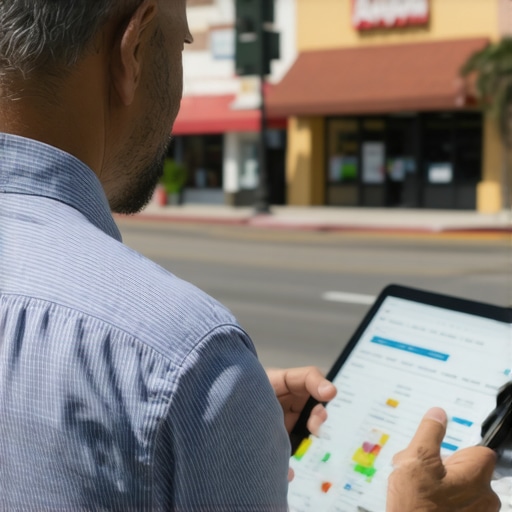 > Think of your GMB profile as a digital handshake; if it’s weak or inconsistent, search algorithms perceive your business as less trustworthy, regardless of your keyword density.
Another advanced mistake involves ignoring the impact of nearby competitors’ schemes. Many assume proximity is your sole ranking factor, but Google’s local algorithm also considers citation diversity and backlink quality. Spamming local directories or duplicating NAP data across listings can backfire, causing your profile to be flagged or suppressed. To avoid this, focus on building genuine local backlinks and maintaining consistent, well-curated citations across reputable OC-based business directories.
Now, for seasoned marketers pondering optimization nuances: How does Google’s AI-driven local search understand user intent and relevance signals beyond traditional metrics? Recent studies, including insights from Moz’s Local Rank Factors, highlight the importance of engagement metrics such as click-through rates, review sentiment, and user interaction signals. Leveraging structured data for local events or special offers can also tip the scales in competitive Anaheim neighborhoods. Dive deeper into these advanced Anaheim SEO tactics to stay ahead of the curve.
In essence, mastering local maps optimization requires more than calling your business and posting a few photos. It demands a strategic orchestration of trust signals, citation integrity, and engagement metrics—areas where many small shops stumble without realizing it. To truly elevate your OC local visibility, review your profile with a fine-tooth comb, ensure your citations are accurate, and cultivate genuine customer interactions. Remember, Google rewards relevance and trust—so align your efforts accordingly.
Have you ever fallen into this trap? Let me know in the comments. For a comprehensive guide tailored to Anaheim businesses, check out these mapping tips or explore ultimate Anaheim SEO secrets to push beyond the basics.
Staying ahead in the competitive Anaheim SEO landscape requires more than just initial optimization efforts. To keep your local visibility thriving, I rely on a suite of specialized tools and methods that ensure consistency, track progress, and reveal new opportunities. Foremost among these is BrightLocal, which I use daily to monitor citation accuracy, review performance, and analyze competitors’ link profiles. Its comprehensive dashboards give me real-time insights into my local rankings and citation health, which are crucial for long-term success.
Another indispensable tool is Google Search Console. I leverage its performance reports to identify keywords that push traffic to my GMB profile and website. Regularly reviewing this data allows me to adjust my local content and map optimization strategies proactively. Additionally, Map optimization tactics are not static; the algorithms evolve, and so should your approach. I keep a close eye on Google’s updates and use specialized software like SEMrush for keyword tracking and backlink audits, which helps me stay competitive against bigger brands that have more extensive resources.
For managing reviews, I utilize Podium. Its automated review requests and response templates help me maintain high review counts and positive sentiment, vital trust signals in local SEO. Proper review management not only boosts ranking but also enhances customer loyalty. To streamline my local content efforts, I employ Yoast SEO on my website, optimizing each blog post for local keywords and structured data. Incorporating local signals like neighborhood-specific keywords and schema markup helps Google understand my business’s relevance in Anaheim and nearby neighborhoods.
Looking ahead, I predict that AI-powered tools will become even more integral. Algorithms like Google’s BERT and MUM are already shaping relevance signals, making expertise in local semantic optimization essential. To stay current, I often review recent studies such as Moz’s insights on Google’s local ranking factors, which emphasize engagement metrics and trust signals over mere keyword stuffing.
How do I maintain consistent local SEO performance over time? Routine audits, ongoing content updates, and staying informed about algorithm shifts are key. Testing new tactics, like combining traditional citation building with AI-driven review engagement campaigns, can yield unexpected boosts. For instance, implementing advanced Anaheim SEO strategies consistently keeps my business visible and thriving in local searches.
Don’t overlook the power of regular analysis: your local SEO setup can stagnate without it. Try integrating a monthly review process using tools like BrightLocal and SEMrush to track your progress and spot dips early. This proactive approach ensures your Anaheim shop remains a dominant find for local shoppers and maps searches alike. Ready to step up your game? Start by testing out automated review request systems and see how your review profile stabilizes and grows over the next quarter.
The Hidden Truths That Nearly Blocked My Success in Anaheim
One of the toughest lessons I learned was that even with great community ties, neglecting the technical details of Google My Business and map optimization can prevent your shop from appearing at the right moment. Overlooking factors like citation consistency or review quality almost kept my business invisible, despite local love. Realizing this made me prioritize trust signals and profile accuracy, unlocking new levels of visibility I hadn’t imagined.
Tools That Became My SEO Game-Changers for Anaheim Shops
My trusted toolkit includes Google My Business tips for practical profile tweaks, BrightLocal for tracking citations and reviews, and SEMrush for keyword insights—these tools have consistently revealed opportunities and pitfalls. They helped me push through algorithm changes and stay ahead in local search, proving that the right resources can turn small efforts into big results.
Keep the Passion Alive: Your Next Small Step Matters
If you’re feeling overwhelmed by SEO complexities, remember that incremental progress is key. Small, consistent actions—like updating photos, responding to reviews, or refining your local content—compound over time. My journey shows that perseverance transforms initial obstacles into dominance in Anaheim’s map rankings. Embrace the challenge and watch your visibility grow—your community is waiting for you to shine.
What’s the biggest hurdle you’ve faced in optimizing your Google Map profile? Share your story below and let’s grow together in local search success!
,

![3 Anaheim SEO Habits Killing Your Traffic [2026 Checklist]](https://anaheimlocalseo.com/wp-content/uploads/2026/04/3-Anaheim-SEO-Habits-Killing-Your-Traffic-2026-Checklist-512x400.jpeg)
![Stop Your Anaheim Map Ranking From Tanking in 2026 [3 Fixes]](https://anaheimlocalseo.com/wp-content/uploads/2026/04/Stop-Your-Anaheim-Map-Ranking-From-Tanking-in-2026-3-Fixes-512x400.jpeg)


![5 Lean OC SEO Tactics for Small Shops to Outrank Chains [2026]](https://anaheimlocalseo.com/wp-content/uploads/2026/04/5-Lean-OC-SEO-Tactics-for-Small-Shops-to-Outrank-Chains-2026-512x400.jpeg)
Reading this post really resonated with my own journey trying to boost my boutique’s visibility in Charlotte. The emphasis on local SEO tactics and community engagement hits home; I’ve seen firsthand how even Simple tweaks—like updating photos and actively responding to reviews—can shift the ranking needle. What I also found helpful was the mention of local backlinks from chamber sites and partnering with nearby businesses for cross-promotion. These strategies don’t require a big budget but do take time and consistency. I’ve been experimenting with structured data on my website to highlight local events, and it’s interesting to see how Google prioritizes relevance signals. It makes me wonder, how often do others review and update their Google My Business profiles? Sometimes I feel I need to revisit mine more frequently to stay ahead of competitors. Would love to hear other small shop owners’ routines for maintaining their local profiles. Any tips on balancing daily operations with the ongoing SEO efforts?