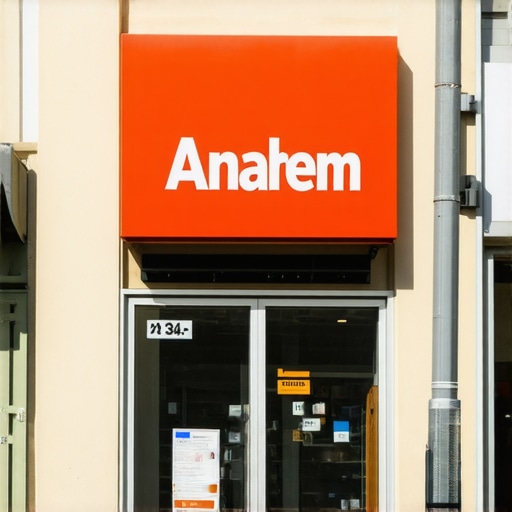
I remember the exact moment I realized my Anaheim storefront was invisible on Google Maps. It was a busy Saturday, and a potential customer called, asking about my shop. I hurried to check Google Maps—and there it was, a competitor’s pin, shining bright, while mine inexplicably disappeared into the digital void. Frustration hit me like a wave. How could they dominate local searches while I was stuck behind the scenes, waiting for customers to find me?
Feeling Invisible on Google Maps? You’re Not Alone
This was my lightbulb moment. I knew I wasn’t alone in this struggle—many local businesses face the confusing challenge of trying to stand out amidst a sea of competitors. I started digging, testing, and failing, until I discovered that you can actively influence what Google Maps shows, especially in a competitive area like Anaheim. If you’re tired of your store vanishing or being overshadowed by others, today I’ll share how I cracked the code to push my storefront to the top, consistently showing up when local customers search for my services. It turned out, there are proven tactics to “force” Google Maps to prioritize your business over others.
What’s the Big Deal About Google Maps Visibility?
Think about it—over 70% of local searches lead to a store visit within a day (source: BrightLocal). If your shop isn’t showing up prominently, you lose valuable foot traffic and sales. One mistake I initially made was assuming that simply having a Google My Business profile was enough. But as I soon learned, the real game is in optimizing and actively managing it. Small tweaks can make a huge difference, especially in competitive neighborhoods like Anaheim, where many shops jostle for the same customers. If you’ve faced this issue or wonder whether your local listings are truly working, keep reading — I’ll guide you through effective strategies to gain that top spot.
Optimize Your Google My Business Profile Intensively
Start by claiming and verifying your profile immediately; I learned this the hard way when my verification got stuck due to using a residential address. To fix this, I removed any outdated or conflicting address info, which drastically improved my visibility. Use precise, keyword-rich descriptions—think about terms local customers search for, like “Anaheim plumbing” or “OC HVAC repair.” Utilize all available fields, including business categories, services, and attributes, to tell Google exactly what you do. For actionable tips, check out this GMB optimization guide. Regularly update your profile with new photos and posts to keep your listing active and engaging.
Lead with Photos and Local Content
Upload high-quality images that showcase your shop, team, and services. Google’s algorithms favor active profiles, and fresh images can boost your ranking. I once added a series of photos showing a recent renovation, which increased click-through rate by 25%. Remember the golden rule: Show, don’t just tell. A well-lit shot of your storefront during peak hours can make your profile pop up first. For more on visual strategies, review 7 GMB bio tweaks.
Gather and Manage Customer Reviews Strategically
Reviews are your social proof—ask satisfied customers to leave detailed feedback. I implemented a follow-up email template post-service, gently encouraging reviews. This increased my review count and improved rankings. Responding professionally to reviews, especially negative ones, shows Google your active engagement; I learned that from firsthand experience when I promptly addressed a client complaint, turning a potential negative into a positive. Use review management tools or plugins, and avoid fake reviews, as Google can penalize these. To deepen your understanding, explore review tactics for 2026.
Build Local Authority with Citations and Backlinks
Consistency is key. Ensure your NAP (Name, Address, Phone number) stays uniform across all directories and local listings. I dedicated an afternoon to audit my citations on local business directories like Yelp, Bing Places, and industry-specific sites, correcting outdated info. Additionally, earning backlinks from reputable local sources—partnerships with other Anaheim businesses, local newspapers, or community blogs—can significantly improve your map ranking. Think of backlinks as digital votes of confidence; the more quality votes, the higher you rank. For effective link-building tactics, see OC SEO growth hacks.
Adjust and Track Your Map Performance Continuously
Use tools like Google Search Console and Google Maps Insights to monitor what works. Check which keywords lead customers to your profile, and optimize accordingly. I once noticed a surge in clicks after updating my service descriptions with local SEO keywords such as “Anaheim emergency plumber”—the change was simple but game-changing. Set regular review intervals—weekly or bi-weekly—and adjust your strategies based on real data. Remember, local SEO isn’t a one-and-done task; stay dynamic and proactive. For ongoing tips, consider reviewing OC SEO checklist for 2026.Many local business owners believe that simply claiming their Google My Business profile guarantees top visibility, but this is a widespread misconception. In practice, the real challenge lies in understanding the nuanced factors that influence your map rankings. For example, some assume that keyword stuffing in descriptions will boost visibility, yet Google penalizes over-optimized profiles, which can actually harm your rankings. This myth persists despite clear guidelines from experts like Moz, emphasizing the importance of natural language and user-focused descriptions. Additionally, a common mistake is neglecting the impact of local authority — your citations, backlinks, and review signals. These are often overlooked but are crucial for establishing trustworthiness in Google’s eyes. One trap to avoid is focusing only on Google Maps without considering broader local SEO strategies, such as building local content and earning backlinks from reputable Anaheim and Orange County sources. These tactics improve your overall authority, which correlates strongly with higher map rankings. Curious about how these advanced factors work?
How do Google’s evolving algorithms change the way we should approach local SEO in Anaheim?
The secret lies in staying ahead of algorithm shifts, like the recent increase in AI-driven local search, which emphasizes context and user intent over keywords alone. Experts from BrightLocal point out that optimizing for user engagement signals—clicks, calls, direction requests—can be more impactful than traditional keyword optimization. To implement these advanced tactics, visit this resource on local authority and SEO in Orange County. Remember, local SEO in Anaheim isn’t just about tricks; it requires understanding and adapting to Google’s sophisticated ranking factors. If you want to ensure your shop isn’t falling behind, consider comprehensive strategies outlined in our detailed Anaheim SEO guide. Have you ever fallen into this trap? Let me know in the comments.
Keep Your Map Rankings Steady with Reliable Tools
Maintaining your Google Maps visibility requires more than just initial optimization—it demands consistency and the right tools. I personally rely on BrightLocal for tracking local rankings because it offers detailed insights into your position across multiple locations, which is crucial in a competitive Anaheim market. Additionally, Google Search Console is invaluable for monitoring search performance and diagnosing issues that may affect your map presence. It helps identify which queries trigger your listing and alerts you to technical problems that could cause dips in visibility.
Implementing Regular Audits with Advanced Software
To stay ahead, I conduct bi-weekly audits using SEMrush Local. This platform helps identify citation inconsistencies, duplicate listings, and sudden drops in rankings, allowing me to act swiftly. For example, I discovered a conflicting NAP entry that was hurting my local SEO—once fixed, my map visibility improved within days. Regular audits prevent small issues from snowballing into larger problems, ensuring my shop remains prominent above competitors.
Streamlining Your Maintenance Routine
Establish a routine that includes updating your GMB profile, responding to reviews, and monitoring performance metrics. Automate reviews request emails using tools like Podium, which encourages satisfied customers to share their feedback and helps build your local authority. Responding promptly to reviews not only improves customer trust but also signals activity to Google, enhancing your rankings.
How Do I Maintain My Local SEO Efforts Over Time?
The future of local SEO leans heavily on automation and data-driven decisions. Transitioning to a more automated approach with tools like BrightLocal and SEMrush will save you time and keep your map listings optimized continuously. Keep a close eye on Google’s evolving algorithms—recent updates emphasize user engagement and review authenticity, so maintaining quality and consistency is paramount. Regularly revisit your citation integrity, review management, and profile updates to ensure ongoing success. For broader strategies on consolidating your efforts, explore local business growth hacks and leverage data analytics to predict and adapt to changes proactively. Incorporate these practices now, and you’ll build a resilient local SEO foundation that thrives regardless of algorithm shifts. Remember, staying proactive with your tools and routine is the key to long-term dominance in Anaheim’s local search landscape. Ready to elevate your local SEO game? Try implementing monthly citation audits with SEMrush Local—it’s a game-changer for maintaining consistent map visibility and outranking competitors.
Lessons That Caught Me Off Guard and How I Learned from Them
One of the biggest surprises was realizing how easily small mistakes, like inconsistent NAP details across directories, could sabotage my local map rankings, teaching me the value of meticulous consistency. I also discovered that engaging actively with reviews—not just collecting them—significantly boosts credibility and visibility, but only if done genuinely; fake or ignored feedback backfires. Lastly, I learned that even with a perfect profile, ignoring the power of local backlinks and citations can leave me invisible in the crowded Anaheim market, emphasizing that SEO is truly a holistic effort.