David Lee
It was a cold morning in Anaheim when I realized my local SEO efforts had hit a wall, despite pouring countless hours into optimizing my Google My Business profile and tweaking keywords. My map rankings stagnated, and potential customers? They kept slipping through my fingers. That moment hit me hard—a sobering lightbulb flickering on: I was making critical mistakes that were silently killing my local traffic, right here in Orange County. And if you’re like me, you’ve probably faced similar frustrations, feeling like you’re throwing darts in the dark.
Why Your Local SEO Strategy Might Be Failing You Without even Knowing
In 2026, the game of local SEO isn’t just about keywords or reviews anymore. It’s about understanding how algorithms evolve and how your business might be unknowingly sabotaging its online presence. Early on, I believed that simply claiming my Google Business Profile and adding a few keywords was enough. Boy, was I wrong. I didn’t realize that neglecting to optimize maps, citations, and local signals was like flying blind in a storm.
According to Moz’s Local Search Ranking Factors study, elements like proximity, relevance, and prominence now outweigh traditional keyword stuffing and basic profile claims. Ignoring these can mean the difference between appearing in the coveted local 3-pack or fading into obscurity. I’ve seen firsthand how overlooking even one crucial aspect, such as inconsistent NAP (Name, Address, Phone number) data across directories, can drop your rankings faster than you can say “algorithm update.”
If this sounds familiar, you’re not alone. I’ve made my share of mistakes—like ignoring map optimization details and underestimating the power of reviews. But here’s the good news: understanding these mistakes is the first step toward turning things around. In the next sections, I’ll share practical, proven strategies to fix these errors, boost your visibility in Anaheim and across Orange County, and start attracting the local traffic you deserve. Ready to stop losing ground and start winning local searches? Let’s dive in.
Optimize Your Google My Business Profile Effectively
Start by claiming and verifying your Google My Business (GMB) listing if you haven’t already. Ensure your business name, address, and phone number (NAP) are consistent across all platforms. Use the primary categories relevant to your niche, and add accurate service or product details. Upload high-quality images that represent your business distinctly. Consider leveraging tools like GMB optimization tips to guide your setup.
Strategic Map and Citation Enhancements
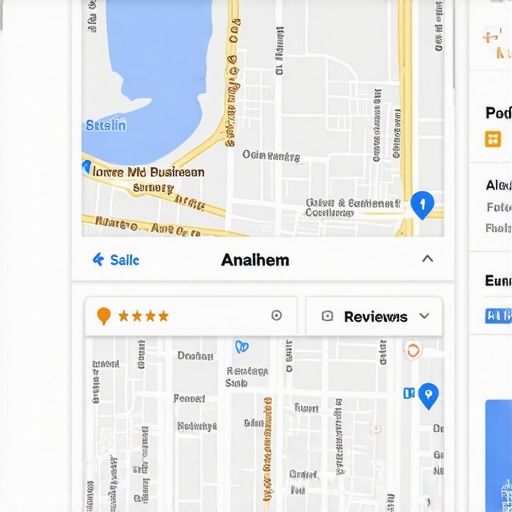
Enhance map rankings by building citations on authoritative directories like Yelp, Bing Places, and local business directories specific to Orange County. Stay consistent with your NAP details; discrepancies can confuse search engines and harm rankings. Use maps optimization strategies to identify and fix inconsistencies. Regularly audit your citations and fix outdated or duplicate entries to maintain local relevance.
Leverage Reviews to Boost Visibility
Encourage satisfied customers to leave genuine reviews. Respond promptly to all reviews, thanking positive comments and addressing negative feedback professionally. Reviews influence local search rankings significantly, especially in competitive Anaheim neighborhoods. Tools like GMB review tactics can help streamline this process.
Optimize Local Content and Keywords
Create location-specific content on your website that addresses local events, news, or topics relevant to Anaheim and Orange County. Use keywords that include local identifiers, such as “Anaheim bakery” or “plumber in OC,” but avoid keyword stuffing. Integrate your primary keywords naturally within headings, meta descriptions, and throughout your content to signal relevance to local searches.
Implement Local Structured Data Markup
Use schema markup to help search engines understand your business location, services, and hours. Implementing LocalBusiness schema increases the chance of your business appearing in rich snippets, which attract more clicks. This technical step often gets overlooked and can be a game-changer in competitive markets like Anaheim.
Build Local Backlinks and Partnerships
Gain backlinks from local blogs, newspapers, or industry associations in Anaheim. Collaborate with neighboring businesses for cross-promotions and link exchanges. These backlinks enhance your domain authority and signal local relevance. Participate in community events or sponsorships, and showcase these activities on your website to attract local links naturally.
Monitor and Adjust Your Strategy Regularly
Use tools like Google Search Console and local SEO analytics to track your rankings and traffic. Identify which tactics yield the best results and refine your approach. Local SEO in Anaheim requires ongoing effort—what works today may need adapting tomorrow as Google’s algorithm evolves. Stay informed with resources like Anaheim SEO secrets to keep ahead in the game.
Many local business owners believe that optimizing Google My Business and stacking citations are sufficient for dominating Anaheim’s local search scene. But in my experience, that’s only scratching the surface. A common myth is that content and local signals alone drive rankings, yet recent studies, like Moz’s 2024 Local Search Ranking Factors, reveal that technical elements such as schema markup and map optimization actually hold more weight in competitive markets. Overlooking these can be a costly mistake, leading to missed visibility even when your profiles are perfectly optimized. For example, deploying advanced schema on your website not only helps search engines understand your business better but can also lead to rich snippets, which significantly increase click-through rates. Many don’t realize that technical oversights—like inconsistent NAP data across citations or ignoring map optimization—can silently sabotage your rankings. This is especially true in Orange County, where local competition is fierce. Dive into these proven SEO secrets to avoid common pitfalls and elevate your local visibility. Ever fallen into the trap of focusing solely on reviews or keywords? Let me know in the comments! Properly leveraging map optimization strategies, such as ensuring NAP consistency and deploying advanced schema, can give your business a decisive edge. Don’t just claim your spot; optimize every technical facet to truly own Anaheim’s local search landscape. For deep dives into map strategies, check out these Anaheim map optimization tips. Remember, SEO is a multi-layered game—embrace the nuances, avoid the common myths, and watch your local rankings soar.Maintaining a strong local SEO presence in Anaheim and across Orange County requires more than just initial optimization. It demands consistent effort, the right tools, and a strategic approach to long-term growth. One of my go-to tools is SEMrush’s Position Tracking, which I use daily to monitor keyword rankings and identify fluctuations that could indicate algorithm updates or competitive moves. Its real-time alerts save me hours of manual checking and allow me to react swiftly, ensuring my clients stay visible in the coveted Anaheim local pack. Additionally, BrightLocal’s citation tracker helps maintain NAP consistency across listings, preventing ranking drops due to outdated or inconsistent information—a common pitfall in local SEO. I also rely on Google Search Console to analyze performance metrics and spot technical issues early, such as crawl errors or page speed concerns, which can silently harm your rankings over time. In terms of technical maintenance, implementing schema markup using Google’s Structured Data Markup Helper ensures your local business details are clear to search engines, boosting chances of appearing in rich snippets. As local markets evolve, so do the tools and methods we use; staying ahead means leveraging these advanced resources. Looking ahead, I predict that AI-driven analytics will become increasingly vital in crafting predictive strategies for local SEO, enabling businesses to anticipate shifts and adapt proactively. To keep your Anaheim or Orange County business thriving, regularly audit your map optimization strategies, like those detailed in https://anaheimlocalseo.com/maps-optimization-anaheim-win-local-search-battles, and apply insights through tools like Whitespark’s Local Rank Tracker. How do I maintain my local SEO efforts over time? I schedule routine checks—monthly reviews of rankings, citation audits, and website health assessments—to ensure everything stays aligned with evolving algorithms and market trends. Remember, consistency is key; even the most robust initial strategies can falter without ongoing care. If you haven’t already, try integrating schema markup into your website today; it’s a simple yet powerful step to improve visibility and differentiate your business in Anaheim’s competitive landscape. Need help setting up a maintenance routine tailored to your business? Contact us at https://anaheimlocalseo.com/contact-us to get personalized advice.
The Hardest Lesson I Learned About Anaheim SEO, GMB, and Maps Optimization
One of my most eye-opening experiences was realizing that even with perfect profile claims, neglecting technical nuances like schema markup or map accuracy could silently sabotage my ranking efforts. I learned that the real power lies in the details—optimizing map placements, fixing citation inconsistencies, and leveraging local signals that many overlook. These lightbulb moments transformed my approach from guesswork to strategic mastery.
What Actually Moves the Needle in Orange County’s Competitive Market?
Through trial and error, I discovered that leveraging community partnerships and earning local backlinks significantly outperformed generic SEO tactics. The local vibe matters; securing backlinks from Anaheim blogs or participating in Orange County events builds authentic relevance. Trustworthy tools like Whitespark’s Local Rank Tracker and BrightLocal’s citation management have become indispensable in maintaining focus and tracking progress in this competitive environment.
Taking Action Isn’t as Daunting as It Seems – Here’s My Encouragement
If you’re feeling overwhelmed by the complexities of Anaheim SEO and maps optimization, remember that every expert started somewhere. The key is consistent effort, embracing technical details, and staying informed about evolving best practices. Your local business can stand out in Anaheim with the right strategies—so don’t wait for the perfect moment; start today. Want personalized guidance? Reach out through our contact page and let’s build your success together.

![3 Anaheim SEO Habits Killing Your Traffic [2026 Checklist]](https://anaheimlocalseo.com/wp-content/uploads/2026/04/3-Anaheim-SEO-Habits-Killing-Your-Traffic-2026-Checklist-512x400.jpeg)
![Stop Your Anaheim Map Ranking From Tanking in 2026 [3 Fixes]](https://anaheimlocalseo.com/wp-content/uploads/2026/04/Stop-Your-Anaheim-Map-Ranking-From-Tanking-in-2026-3-Fixes-512x400.jpeg)